How much does pest control cost for a house?
In the U.S., a one-time treatment often runs about $100 to $300, while recurring plans cost less per visit. Prices vary by pest, home size and infestation. Get a written quote that lists the scope.
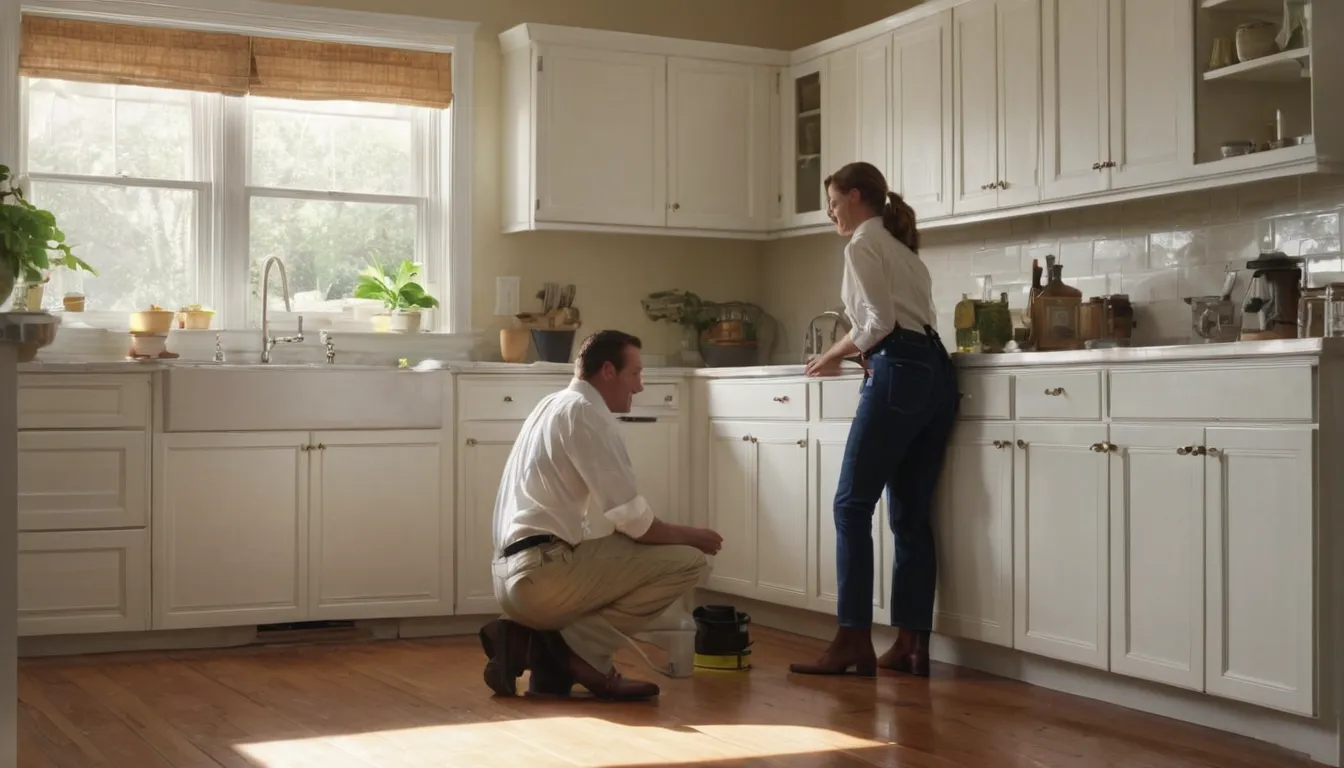
Request an estimate, compare quotes
Interviewowns Pest Control is a referral service. We connect homeowners in Rockville, MD with independent pest control providers in our network. The providers do the inspection and treatment. We help you reach them and compare options before you commit.
Why hurry? Small now, bigger later. A few ants in the kitchen can turn into a trail in the walls. One mouse can become a family in a few weeks. Humid summers and freeze-thaw winters push pests indoors, so the problem rarely waits for a convenient time. Ask for a written scope, a clear price, and a plain list of what is treated. Then you can compare quotes calmly and pick the job that fits your budget.
You may be searching for an exterminator near me because you just saw something move. Take a breath. Most home pest problems can be handled when they are caught early.
First, note what you saw, where you saw it, and when. A photo helps. Then ask a local provider for a written quote. Quote before commitment is the simple rule here.
In the first day or two, you often see only the scouts. A few ants, a roach at night, a spider in the corner. They are testing for food, water and shelter.
If they find it, they report back. That is how a handful becomes a trail. Cleaning up crumbs and fixing a drip can slow things down while you wait for quotes.
This is where the price starts to climb. Roaches lay eggs in hidden spots. Mice can have several litters in a year. Ants may set up a second nest.
A provider who visits now may need one targeted treatment. Wait a month and the same job may need follow-up visits. Price the delay, because it is real money.
By now, pests may live inside walls, attics and crawl spaces. Droppings, chewed wiring and stained insulation can add repair costs on top of treatment.
Older colonial and split-level homes with basements give pests many quiet routes. Rowhouses share walls, so a problem next door can reach you too. Acting early keeps the work smaller.
Residential pest control is a visit, a plan, and a follow-through. A typical service includes:
Ask each provider to list exactly what is in the price. Scopes differ, and that is why two quotes can look far apart.
Homeowners in our area most often ask about ants, spiders, roaches, crickets and mice. Rats and termites come up too, but they often need their own specialized plan.
Each pest has its own timeline. Ants and roaches grow fast in warm, humid months. Crickets and spiders tend to move indoors when the weather cools. Mice look for warmth as winter sets in.
Bed bugs are a different job. They hide in mattresses, bed frames and furniture seams, and they travel in luggage and used items. Bed bug treatment often needs more than one visit and careful prep.
If you see bites or tiny dark spots on bedding, get a quote quickly. Do not move infested furniture to other rooms. That can spread the problem and raise the price.
It is smart to ask about safety, especially with kids and pets. Ask the provider which products they plan to use, where they go, and how long you should stay away from treated areas.
Many providers offer lower-impact options and targeted methods, such as baits and sealing entry points. Ask for the product label and any instructions in writing.
A one-time treatment can fit a small, new problem. It costs less up front. But if the pest keeps coming back, you may pay twice.
An ongoing plan costs less per visit and covers seasonal pests. It makes sense for older homes, wooded lots and homes with repeat trouble. Ask each provider to price both so you can compare the trade-offs.
Several things move the number: the pest type, how big the home is, how far the problem has spread, and how many visits are needed. A finished basement or a large attic can also add time.
The quote with the smallest price is not always the fairest one. Check what is left out. A low price with no follow-up may cost more in the end.
Get at least two or three written quotes. Line them up side by side and check these points:
A clear scope is a good sign. Vague promises are not.
You can help the provider get better results. Store food in sealed containers. Fix leaks, especially around older plumbing. Clear clutter from basements and under sinks.
Seal small gaps around pipes and vents, and trim branches away from the roof. Follow the prep sheet exactly. Skipping a step can mean a repeat visit.
Pest damage can show up in an inspection when you sell. Chewed wiring, stained ceilings and soft wood can lower buyer interest and slow a sale.
Keep your quotes, invoices and treatment notes in one folder. Records show a buyer that the problem was handled properly. Doing the job right now protects your wallet and your home later.
A provider checks the inside, outside and entry points to find the pest, its path and the cause.
Products and baits are placed where the pest lives and travels, based on what the inspection found.
Many plans treat the foundation and entry areas to help keep pests from coming back inside.
Some plans include repeat visits to check results, retreat if needed, and handle seasonal pests.
Prices vary by pest, home size and how far the problem has spread. These are typical U.S. ranges, not a quote. Always ask for a written quote that lists exactly what is included.
| Service | Typical range | Notes |
|---|---|---|
| One-time general treatment | $100 – $300 | Fits small, new problems like a few ants or spiders |
| Initial visit on a plan | $150 – $350 | Often includes a full inspection and first treatment |
| Recurring plan, per visit | $40 – $150 | Usually quarterly or every other month |
| Ant or roach treatment | $150 – $500 | Heavy infestations may need follow-up visits |
| Bed bug treatment | $500 – $2,500 | Depends on rooms, method and number of visits |
| Exterior-only barrier | $100 – $250 | Helps with spiders, crickets and seasonal pests |
Write down the pest, the room and the date. Take a photo if you can safely do so.
Use the request form or Request a callback to check provider availability, then ask for scopes in writing.
Check visits, pests covered, prep needs and what happens if the pests come back.
Follow the prep sheet, keep records, and report any activity after treatment to the provider.
Early treatment is usually a single visit, with fewer products, less prep and a smaller bill.
Waiting lets pests breed and spread, which can mean more visits and added repair costs.
A written scope shows what is covered, so you can compare quotes fairly and avoid surprises.
Documented, proper treatment helps protect your home and supports a smoother sale later.
Tell us what you are seeing in your home. Send a request and a provider in our network can follow up with next steps and a written quote.
No obligationIn the U.S., a one-time treatment often runs about $100 to $300, while recurring plans cost less per visit. Prices vary by pest, home size and infestation. Get a written quote that lists the scope.
A one-time treatment suits a small, new problem. A plan makes more sense if pests return each season or your home is older. Ask providers to price both and compare the written terms.
Safety depends on the product and how it is applied. Ask the provider what they plan to use, where it goes, and how long to keep kids and pets away. Request the instructions in writing.
Tell us what you are seeing in your home. Send a request and a provider in our network can follow up with next steps and a written quote.
No obligation